
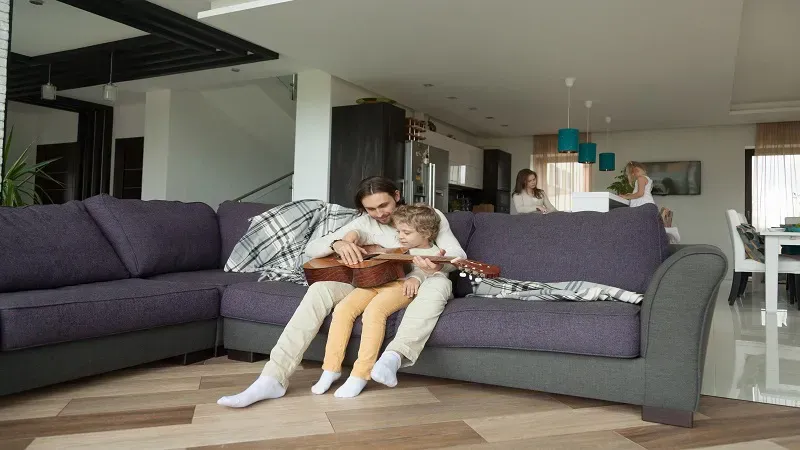
Creating a comfortable, efficient, and enjoyable home environment is one of the most valuable investments you can make in your daily life. Your home is not just a place to live—it is where you relax, work, spend time with family, and recharge for the future. With thoughtful planning and practical upgrades, you can significantly improve how your home feels and functions without necessarily spending a fortune.
This guide explores smart home improvements that focus on comfort, organization, energy efficiency, and lifestyle balance, helping you build a space that truly works for you.
Understanding the Importance of a Well-Designed Home
A well-designed home is not about luxury—it is about functionality and comfort. When your living space is organized and tailored to your needs, everyday tasks become easier and less stressful. From proper lighting to efficient storage, every small detail contributes to a better living experience.
Modern homeowners are increasingly focusing on multi-functional spaces. For example, a living room can serve as both a relaxation area and a place for entertainment, while a bedroom can double as a calm retreat and a light workspace. The goal is to maximize utility while maintaining a peaceful environment.
Improving Lighting for Comfort and Productivity
Lighting plays a major role in shaping the atmosphere of your home. Poor lighting can make even the most beautifully decorated space feel dull and uncomfortable, while proper lighting can completely transform the mood. Start by maximizing natural light. Keep windows clean, use light curtains, and avoid blocking sunlight with heavy furniture. Natural light not only enhances the look of your home but also improves mental well-being.
In addition to natural light, consider layered lighting. This includes ambient lighting for general brightness, task lighting for specific activities like reading or cooking, and accent lighting to highlight decorative elements. Switching to energy-efficient LED bulbs is a smart move, as they last longer and consume less electricity.
Enhancing Indoor Air Quality
Clean air is essential for a healthy home. Many people overlook indoor air quality, but it has a direct impact on your health and comfort. Dust, allergens, and pollutants can accumulate over time, especially in closed spaces. To improve air quality, start by ensuring proper ventilation. Open windows regularly to allow fresh air to circulate. Indoor plants can also help purify the air while adding a natural touch to your décor.
Using an air purifier is another effective solution, especially in urban areas where outdoor air quality may not always be ideal. Regular cleaning, including vacuuming carpets and washing curtains, also helps maintain a healthier environment.
Creating a Relaxing Living Space
Your living room is often the heart of your home. It should be a place where you can relax, entertain guests, and enjoy your free time. Comfort should be your top priority when designing this space. Choose furniture that supports relaxation, such as a comfortable sofa and supportive seating. Soft textures, warm colors, and minimal clutter can create a calming atmosphere. Adding personal touches like artwork or decorative items can make the space feel more inviting.
In today’s digital world, many homeowners also use their living rooms for entertainment. Whether it’s watching movies, playing games, or occasionally exploring online platforms such as a live casino, having a well-arranged and comfortable setup enhances the overall experience. The key is to maintain balance and ensure that entertainment complements relaxation rather than disrupting it.
Making Your Kitchen More Functional
The kitchen is one of the most frequently used areas in any home, so efficiency is essential. A well-organized kitchen saves time, reduces stress, and makes cooking more enjoyable. Start by decluttering your kitchen. Remove items you no longer use and organize the remaining ones based on frequency of use. Keep everyday items within easy reach and store less-used items in cabinets or shelves. Investing in smart storage solutions can make a big difference. Drawer organizers, pull-out shelves, and wall-mounted racks help maximize space and keep everything in order.
Upgrading to energy-efficient appliances is another smart move. Modern appliances not only perform better but also consume less energy, helping you save money in the long run.
Transforming Your Bedroom into a Restful Retreat
A good night’s sleep is essential for overall well-being, and your bedroom plays a crucial role in achieving that. Creating a calm and comfortable sleeping environment should be a top priority. Start with a high-quality mattress and comfortable bedding. These are long-term investments that directly impact your sleep quality. Choose soft, breathable fabrics and neutral colors to create a soothing atmosphere. Lighting is also important in the bedroom. Use soft, warm lighting to promote relaxation, especially in the evening. Avoid bright, harsh lights that can disrupt your sleep cycle. Keep your bedroom clutter-free and limit distractions. Reducing noise and maintaining a consistent temperature can further improve your sleep environment.
Setting Up a Productive Home Workspace
With the rise of remote work, having a dedicated workspace at home has become more important than ever. A well-designed workspace can improve focus, productivity, and overall work satisfaction. Choose a quiet area in your home where you can work without distractions. Invest in an ergonomic chair and a desk that supports good posture. Proper lighting is also essential to reduce eye strain and maintain concentration. Keep your workspace organized by using storage solutions such as shelves, drawers, and cable management systems. A clean and clutter-free desk helps you stay focused and work more efficiently.
Focusing on Energy Efficiency
Energy efficiency is not only beneficial for the environment but also helps reduce your utility bills. Simple changes can make a significant difference in how much energy your home consumes. Start by sealing gaps around windows and doors to prevent air leaks. Proper insulation helps maintain indoor temperature and reduces the need for excessive heating or cooling. Installing a smart thermostat allows you to control your home’s temperature more efficiently. You can set schedules and adjust settings based on your daily routine, saving both energy and money. If possible, consider renewable energy options such as solar panels. While the initial investment may be higher, the long-term savings and environmental benefits make it worthwhile.
Improving Storage and Organization
Clutter can make even the most beautiful home feel chaotic. Improving storage and organization is essential for maintaining a clean and functional space. Use vertical space by installing shelves or cabinets. Multi-functional furniture, such as beds with storage drawers or foldable tables, can help maximize space in smaller homes. Develop a habit of regular decluttering. Keep only the items you truly need and use, and donate or discard the rest. An organized home not only looks better but also reduces stress and improves productivity.
Enhancing Outdoor Spaces
If you have access to an outdoor area, such as a balcony, patio, or garden, don’t overlook its potential. Outdoor spaces can serve as extensions of your home, providing additional areas for relaxation and entertainment. Simple additions like comfortable seating, plants, and lighting can transform an outdoor space into a cozy retreat. Whether you use it for morning coffee, evening relaxation, or social gatherings, a well-designed outdoor area adds value to your home.
Maintaining a Balanced Lifestyle at Home
A truly comfortable home supports not just your physical needs but also your mental well-being. It should be a place where you can relax, recharge, and enjoy your favorite activities. Balancing productivity and relaxation is key. Create spaces that support both work and leisure, and establish routines that help you maintain a healthy lifestyle. Limiting distractions, managing screen time, and prioritizing self-care are all important aspects of home living.
Final Thoughts
Improving your home does not require major renovations or large expenses. With thoughtful planning and small, practical changes, you can create a space that is comfortable, efficient, and tailored to your needs. From better lighting and air quality to organized storage and energy efficiency, every improvement contributes to a better living experience. By focusing on both functionality and comfort, you can turn your home into a place that truly enhances your daily life. Ultimately, a well-designed home is one that supports your lifestyle, promotes well-being, and provides a sense of peace and satisfaction every day.