
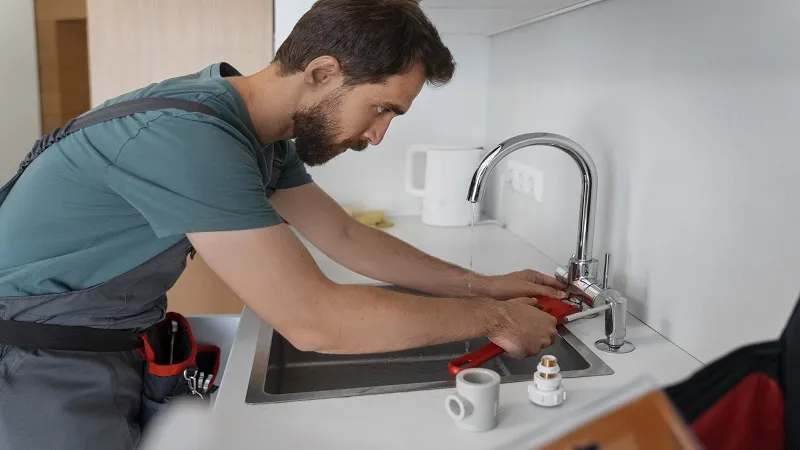
Plumbing problems are a part of everyday life, whether you live in a small apartment or a large house. From dripping faucets to clogged drains, these issues can disrupt your routine and lead to costly repairs if ignored. The good news is that many common plumbing problems can be fixed quickly with the right knowledge and a few basic tools. This guide will help you understand the most frequent plumbing issues and how to solve them efficiently.
Understanding Basic Plumbing Systems
Before diving into repairs, it’s important to have a basic understanding of how your plumbing system works. A typical home plumbing system includes a water supply system that brings clean water into your home and a drainage system that removes wastewater. Pipes, valves, fixtures, and appliances all work together to ensure proper water flow.
Knowing where your main water shut-off valve is located can save you from serious damage in case of an emergency. Additionally, understanding the difference between minor and major plumbing issues will help you decide whether to fix the problem yourself or call a professional.
Dripping Faucets: A Common Yet Annoying Issue
A dripping faucet is one of the most common plumbing problems homeowners face. While it may seem like a small issue, it can waste a significant amount of water over time and increase your utility bills.
The most common cause of a dripping faucet is a worn-out washer or O-ring. To fix this, turn off the water supply, disassemble the faucet, and replace the damaged component. Make sure to reassemble the faucet properly to avoid further leaks.
If the problem persists, the issue could be related to the valve seat or internal corrosion, which may require professional assistance.
Clogged Drains and Slow Water Flow
Clogged drains are another frequent plumbing problem. They usually occur due to the buildup of hair, soap, grease, or food particles in the pipes. Slow drainage is often the first sign of a clog.
To fix a clogged drain, you can start by using a plunger to loosen the blockage. If that doesn’t work, try a drain snake or a mixture of baking soda and vinegar followed by hot water. Avoid using harsh chemical cleaners, as they can damage your pipes over time.
Regular cleaning and proper disposal of waste can help prevent clogs from forming in the first place.
Running Toilets That Waste Water
A running toilet is not only annoying but also wasteful. It can waste hundreds of gallons of water daily if left untreated. This issue is usually caused by a faulty flapper valve, fill valve, or float.
To fix a running toilet, remove the tank lid and inspect the components inside. Adjust the float to the correct level and check if the flapper is sealing properly. If any parts are worn out, replace them with new ones, which are inexpensive and easy to install.
Fixing this issue promptly can help you save money on your water bill and conserve water.
Low Water Pressure Problems
Low water pressure can make everyday tasks like showering or washing dishes frustrating. This problem can be caused by several factors, including mineral buildup in pipes, leaks, or issues with the municipal water supply.
Start by checking if the problem is affecting the entire house or just one fixture. If it’s isolated, clean the aerator or showerhead to remove any buildup. If the issue is widespread, you may need to inspect your pipes for leaks or corrosion.
In some cases, installing a pressure regulator or contacting your local water supplier may be necessary.
Leaky Pipes and Hidden Water Damage
Leaky pipes are a serious plumbing issue that can lead to water damage, mold growth, and structural problems. Even a small leak can cause significant damage over time if not addressed.
To fix a leaky pipe, first turn off the water supply. For minor leaks, you can use pipe tape, epoxy, or a pipe clamp as a temporary solution. However, replacing the damaged section of the pipe is the most effective long-term fix.
Regularly inspecting your plumbing system for signs of leaks, such as damp spots or unusual water bills, can help you catch problems early.
Water Heater Issues and Inconsistent Hot Water
Hot water is essential for daily comfort, so problems with your water heater can be very inconvenient. Common issues include no hot water, inconsistent temperatures, or strange noises coming from the unit.
Start by checking the thermostat settings and ensuring the power supply is working correctly. Sediment buildup in the tank can also cause problems, so flushing the tank periodically can improve performance.
If your water heater is old or frequently malfunctioning, it may be time to consider a replacement.
Burst Pipes and Emergency Situations
Burst pipes are one of the most severe plumbing emergencies. They can occur due to freezing temperatures, high water pressure, or aging pipes. When a pipe bursts, it can flood your home within minutes.
In such cases, immediately shut off the main water supply and open faucets to drain the remaining water. Then, contact a professional plumber as soon as possible.
Preventing burst pipes involves insulating pipes during cold weather and regularly checking for signs of wear and tear.
Preventive Maintenance Tips for Plumbing Systems
Prevention is always better than repair. Regular maintenance can help you avoid most plumbing problems and extend the lifespan of your system.
Here are some simple preventive tips:
- Avoid pouring grease or oil down the drain
- Use drain covers to catch hair and debris
- Check for leaks regularly
- Insulate pipes during winter
- Schedule periodic inspections
By following these practices, you can reduce the risk of unexpected plumbing issues and save money in the long run.
When to Call a Professional Plumber
While many plumbing problems can be fixed on your own, some situations require professional expertise. If you’re dealing with major leaks, sewer line issues, or complex installations, it’s best to call a licensed plumber.
Attempting to fix complicated problems without proper knowledge can lead to more damage and higher repair costs. A professional plumber has the tools and experience needed to diagnose and fix issues efficiently.
Conclusion
Plumbing problems are unavoidable, but they don’t have to be overwhelming. By understanding common issues like dripping faucets, clogged drains, running toilets, and leaky pipes, you can take quick action and prevent further damage.
With basic tools, a little knowledge, and regular maintenance, you can handle many plumbing issues on your own. However, knowing when to call a professional is equally important. By staying proactive, you can keep your plumbing system in excellent condition and ensure a smooth and stress-free home environment.