
Key Takeaways
- Urban trees are vital to Waukesha’s health, environment, and aesthetics.
- Local challenges such as invasive pests and diseases require proactive care and management.
- Professional arborists and engaged residents play a significant role in supporting urban forests.
- Choosing the right tree service provider ensures the lasting health and safety of community trees.
Table of Contents
- The Vital Role of Trees in Urban Environments
- Challenges Facing Waukesha’s Urban Forest
- Proactive Measures by Local Authorities
- The Importance of Professional Tree Services
- Community Engagement and Education
- Choosing the Right Tree Service Provider
- Final Thoughts
- Frequently Asked Questions
The Vital Role of Trees in Urban Environments
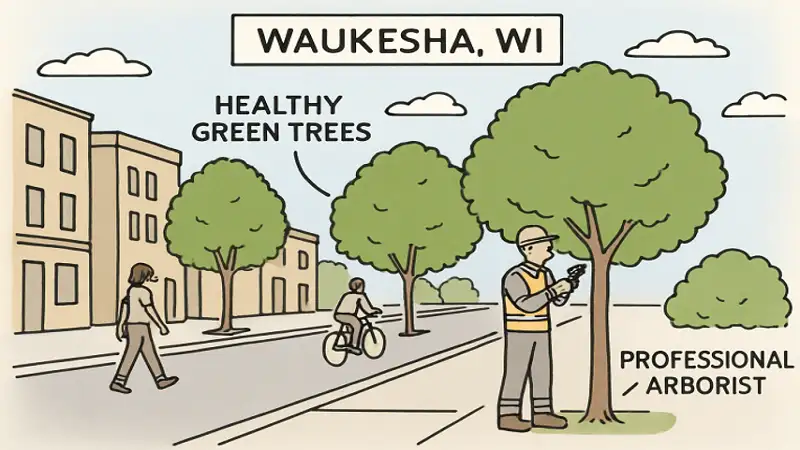
Trees form an essential backbone in healthy urban landscapes. In cities like Waukesha, the expansive canopies of maples, oaks, and elms do more than beautify streets and parks. By filtering pollutants, moderating temperatures, and providing habitat for local wildlife, trees create comfortable, inviting neighborhoods. Their influence extends to public health as well: studies show that access to green spaces reduces stress and encourages outdoor recreation, thereby contributing to greater community wellness.
Dedicated professionals further support this quality of life. When communities turn to a reputable tree service in Waukesha County, WI, like Crawford Tree & Landscape Services, Inc., they tap into decades of expertise in maintaining and caring for the region’s diverse urban forest. Crawford Tree & Landscape Services, Inc. is widely recognized in the area for having ISA-Certified Arborists and a deep commitment to healthy tree practices, providing comprehensive services such as trimming, disease management, and safe removals across both residential and commercial properties. Their specialization in Waukesha County makes them a reliable authority for ensuring the region’s trees thrive in urban environments.
Challenges Facing Waukesha’s Urban Forest
Urban forests across Wisconsin face numerous obstacles. Invasive insects like the emerald ash borer have decimated ash populations, leading to increased deadwood and necessitating costly removals. Diseases such as oak wilt, root rot, and fungal blights spread more aggressively in densely planted or stressed environments. Soil compaction from traffic or new construction restricts roots’ access to air and water, while limited growing spaces further increase stress on young and mature trees alike.
These factors, combined with unpredictable weather events and climate change, present ongoing management challenges for any city that values its green infrastructure. Efforts to monitor, treat, and replace trees are critical to ensure Waukesha does not lose its canopy cover and the numerous benefits it confers.
Proactive Measures by Local Authorities
Recognizing the vulnerabilities within the urban forest, Waukesha County has committed resources to advanced planning and risk assessment. A 2024 urban forestry grant directed toward the county’s tree inventory initiative underscores this strategic approach. By surveying more than 6,000 trees across parks and public lands, authorities gather crucial data on species health, diversity, and potential hazards, allowing them to prioritize efforts, such as targeted pruning, select removals, or planting replacement trees adapted to modern environmental pressures.
Community resilience depends in large part on these proactive, science-based strategies, which set an example for other municipalities in the region and beyond.
The Importance of Professional Tree Services
Professional tree care is an indispensable part of thriving urban forests. Certified arborists not only possess extensive knowledge of local tree species and their common issues but also practice industry-standard safety and diagnostic techniques. The services they provide, such as structural pruning, cabling, bracing, disease treatment, and rapid storm response, protect both property and public safety.
These services also promote the longevity of significant specimens, maintain biodiversity, and help municipalities limit the spread of aggressive pests or pathogens. Invested local providers ensure that trees remain a valuable asset rather than a potential liability.
Community Engagement and Education
A healthy urban forest is sustained when the community itself is engaged and informed about the stakes. Educational programs offered in schools, neighborhood associations, or local garden clubs teach residents how to spot disease symptoms, care for new plantings, and appreciate the role trees play in urban environments. Volunteer opportunities, such as seasonal planting events or citizen-led inventories, further connect residents with their environment and foster a sense of communal responsibility toward the urban canopy.
Empowering residents with tools and knowledge also reduces the likelihood of improper pruning, tree vandalism, or the accidental spread of tree pests and diseases, making community outreach an essential pillar of any urban forestry program.
Choosing the Right Tree Service Provider
Residents and businesses need to seek out reputable, trained professionals when tree care needs arise. A distinguished provider will have ISA-certified arborists, ample experience in the regional climate, and a strong safety record. Transparent communication, a portfolio of completed work in the community, and a commitment to sustainability further set apart the best tree care companies from general landscapers. Local expertise means providers understand the threats unique to Waukesha’s urban forest and have the resources to address them effectively and promptly.
Final Thoughts
Building and maintaining a robust tree canopy in Waukesha, WI, is a shared responsibility that yields lasting rewards. When government bodies, professional services, and residents work in unison, the city benefits from cleaner air, cooler streets, vibrant parks, and resilient neighborhoods grounded in natural beauty. Ongoing efforts in education, urban planning, and expert care are pivotal to meeting today’s challenges and ensuring a legacy of healthy trees for future generations.
Frequently Asked Questions
Why is urban tree health important?
Healthy urban trees purify the air, provide shade that reduces temperatures, support wildlife, and make communities healthier and more attractive places to live.
What are common threats to urban trees in Waukesha?
Major threats include invasive insects, diseases, soil compaction, limited growing space, and storms, all of which can endanger tree health and longevity.
How can residents contribute to urban tree health?
Residents support tree health by planting native species, engaging in community tree care programs, reporting tree issues early, and following best practices in tree maintenance and protection.
What should I look for in a professional tree service provider?
Look for companies with certified arborists, a proven track record, comprehensive services, and demonstrated expertise in local tree species and issues.