
Maintaining your roof is one of the essential responsibilities of a homeowner. Ignoring its upkeep can lead to serious consequences affecting your entire house’s safety. Roof damage, often resulting from adverse weather, lack of maintenance, or aging materials, can progress from minor issues to significant problems if left unaddressed. Early detection benefits homeowners by preventing costly repairs and extending the life of your roof. This guide explores the common signs of roof damage, effective inspection techniques, preventive maintenance, and when to consult a professional to ensure your roof remains in peak condition.
Common Signs of Roof Damage
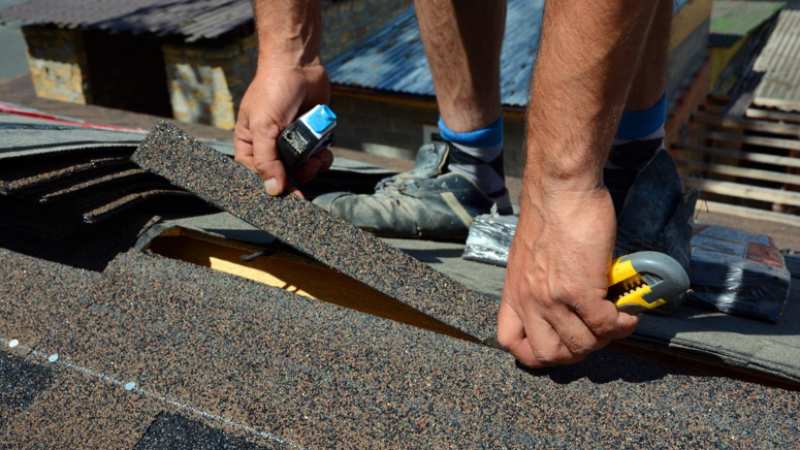
Visual inspections can often reveal early signs of roof damage. Shingles are your first line of defence, so keep an eye out for curling, cracking, or missing shingles. These issues often develop when shingles are exposed to severe weather conditions or simply reach the end of their lifespan. Discoloured or broken shingles might also indicate moisture problems or sun damage.
Inside the home, water stains or leaks on ceilings and attic spaces are clear indicators of potential roof damage. Water marks not only suggest a breach in your roof’s stability but can also lead to mould growth, which poses additional health risks.
Don’t overlook the importance of inspecting flashing and gutters. Flashing directs water away from critical areas like chimneys and vents; if damaged, it can lead to water infiltration. Gutters clogged with debris prevent water from draining correctly, increasing the risk of overflow and damage to the roof’s edge.
Seasonal changes, especially the transition from wet to dry months, can impact your roof’s integrity. Temperature fluctuations can cause materials to expand and contract, creating further opportunities for damage. So, regular checks after each season are wise.
Effective Roof Inspection Techniques
Timing is everything when it comes to roof inspections. The best time of year is typically during spring or autumn, as these periods provide mild weather conditions conducive to safe inspections. Inspections during these times also ensure your roof is prepared for harsher weather conditions likely to occur in winter or summer.
For those opting for a DIY approach, certain tools and safety gear are essential. A sturdy ladder, soft-soled shoes, and binoculars can help you safely inspect from the ground. Use a flashlight for attic inspections to spot leaks or water stains in hard-to-reach areas.
Focus your attention on key areas such as the edges of the roof, around skylights, chimneys, and vent pipes, as these are common trouble spots for leaks. Check shingles and flashing for wear and tear, and remove any debris from roof surfaces and gutters.
However, climbing onto the roof can be dangerous, and sometimes issues aren’t visible to the untrained eye. Understanding when to call professional roof inspectors is crucial. Professionals can identify subtle signs of damage and offer an expert opinion on the condition of your roof.
Preventative Maintenance Tips
Preventative measures are vital for extending the life of your roof, particularly when homeowners understand why roofs get damaged over time and take steps to minimize ongoing exposure to these risks.
Consider the surrounding landscape; trimming back overhanging trees reduces the risk of branches damaging your roof during storms. It also decreases the likelihood of leaves and twigs clogging gutters.
Scheduling annual professional inspections provides a comprehensive view of your roof’s condition. Professionals can suggest repairs or changes necessary to fortify your roof against damage.
Moreover, implementing moisture barriers and proper ventilation solutions can help manage the amount of moisture underneath your roof. This not only prevents structural damage but also increases energy efficiency by regulating temperature.
Roofing Materials and Their Durability
The choice of roofing material significantly impacts longevity and repair frequency. Asphalt shingles are popular due to their affordability and ease of installation, but they typically have a shorter lifespan compared to other materials. Metal roofing offers durability and low maintenance, lasting significantly longer with proper care.
Tile roofs, though heavier and more expensive, provide excellent durability and style. Meanwhile, wood roofs offer a classic look but require regular maintenance to fend off rot and insect damage. Regardless of your choice, each material has specific signs of damage – knowing what to look for helps in preserving your roof’s integrity.
Many homeowners are now considering sustainability in roofing materials. Options such as recycled metal roofs or cool roofs, which reflect more sunlight and absorb less heat, provide energy efficiency and reduced environmental impact.
When to Consult a Roofing Professional
Certain indicators suggest it’s time to call in professionals. Sagging, widespread damage, or significant leaks are beyond simple DIY fixes. At this point, an expert assessment is crucial to determine whether repairs or a complete roof replacement is the best option. A cost-benefit analysis can help decide, weighing the expense of repeated repairs against investing in a new roof.
Finding reputable roofing professionals requires a bit of homework. Seek recommendations from friends or check online reviews for vetted experts in your area. Once you’ve narrowed down your list, ask prospective contractors about their experience, insurance, warranties, and written estimates. This ensures you make an informed decision and protects your investment.
Conclusion
Regular roof maintenance isn’t just about keeping your home looking neat—it’s about safeguarding your home from potential damage. Recognizing the signs of wear, understanding when to seek professional help, and investing in regular inspections and proper maintenance help extend the life of your roof. By being proactive, homeowners can prevent minor issues from evolving into significant problems, ensuring peace of mind for years to come. Make a habit of checking and maintaining your roof to protect your home and everyone living under it today.