
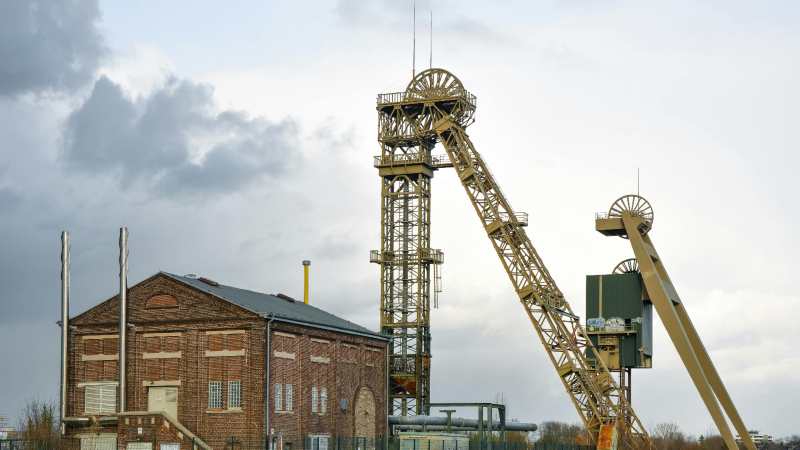
Mining operations and remote industrial projects live in a very different world from urban construction. Access is limited, the weather can turn rough without warning, and delays cost real money. Buildings in these locations have a simple job: protect people and equipment without creating extra problems. Steel buildings have become a familiar choice because they match those expectations without fuss.
Project teams working far from cities tend to value reliability over novelty. Materials must arrive on time, go up smoothly, and perform as expected year after year. A steel structure building fits naturally into that mindset, offering predictable performance and fewer construction headaches. Many engineers quietly prefer steel because it removes uncertainty from an already challenging environment.
Strength That Matches Tough Conditions
Remote and mining sites experience stress that ordinary buildings rarely face. Heavy snow loads, strong winds, seismic movement, and temperature swings all test structural limits. Steel handles these forces with consistency, giving operators confidence during extreme conditions. That strength helps protect both workers and valuable equipment.
Repair options also remain limited in remote areas. Steel resists warping, cracking, and biological damage that can affect other materials. Once installed, the structure holds its shape without constant attention. Over time, fewer structural issues mean fewer interruptions to daily operations.
Faster Construction Where Delays Hurt Most
In isolated regions, an increase in time lean can mean a higher cost for construction. Steel components arrive prefabricated and ready to assemble, which shortens on-site construction schedules. Crews spend less time forming, curing, or adjusting materials. Operations can begin sooner, which helps projects stay financially healthy.
Logistics also becomes easier to manage. Steel parts transport efficiently and require fewer deliveries than many traditional materials. Fewer shipments reduce exposure to road closures and weather disruptions. In places where access can change overnight, that efficiency matters.
Flexible Layouts for Changing Operations
Mining sites rarely stay the same for long. Equipment changes, extraction zones shift, and workflow adjustments happen regularly. Steel buildings support open interior spaces that allow layouts to change without structural interference. Interior columns stay out of the way, making rearrangements simpler.
Expansion also feels less daunting. Steel frames allow additions without major reconstruction. Space can grow as production needs change. That adaptability supports steady operations over many years.
Lower Maintenance in Remote Settings
Maintenance crews at remote sites often juggle many responsibilities. Steel buildings help reduce that load through durability and simple upkeep. Protective coatings guard against corrosion, even in dusty or humid environments. Structural elements remain stable despite constant exposure.
Budget planning becomes easier as well. Fewer unexpected repairs reduce financial surprises. Maintenance schedules stay predictable and manageable. Over time, this reliability adds measurable value to operations.
Fire Safety and Structural Reliability
Fire risk remains a serious concern in mining environments. Steel offers natural resistance to fire, which strengthens overall safety planning. Facilities that store fuel or operate heavy machinery benefit from this added protection. Insurers often take a favorable view of steel structures.
Structural stability during emergencies also plays a critical role. Steel retains strength longer under fire exposure. Evacuation routes stay accessible, giving workers valuable time. Reliable buildings support calmer responses when problems arise.
A steel structure building provides steady support in environments where reliability matters more than appearance, making it a trusted choice for challenging locations. These buildings offer clear advantages for mining and remote industrial sites where conditions stay demanding. Strength, speed, flexibility, and safety combine into a dependable solution that performs quietly in the background. Maintenance stays manageable even when help sits far away.